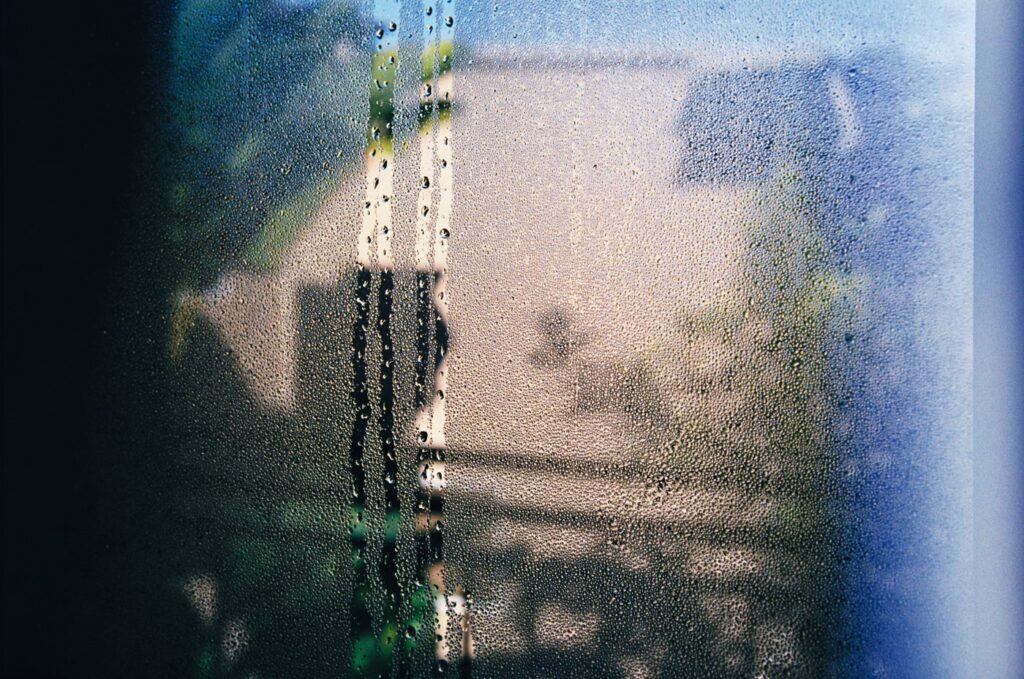
Water vapor condensation and how can it be prevented?
Condensation in home
Condensation on windows spoils their appearance, creates mold, can damage wooden frames, and is a pain to clean. However, the phenomenon of condensation is easy to understand and win the fight; you just need to know your enemy.
Why is water appearing on my windows?
This is determined by three factors:

Air humidity level
Indoor air temperature
Window surface temperature

The more moisture there is in the air, the more likely condensation will occur. Moisture in a home comes from drying clothes indoors, cooking, water, bathing, showering, gas heating, breathing, and the weather.
Moisture condensation cycle
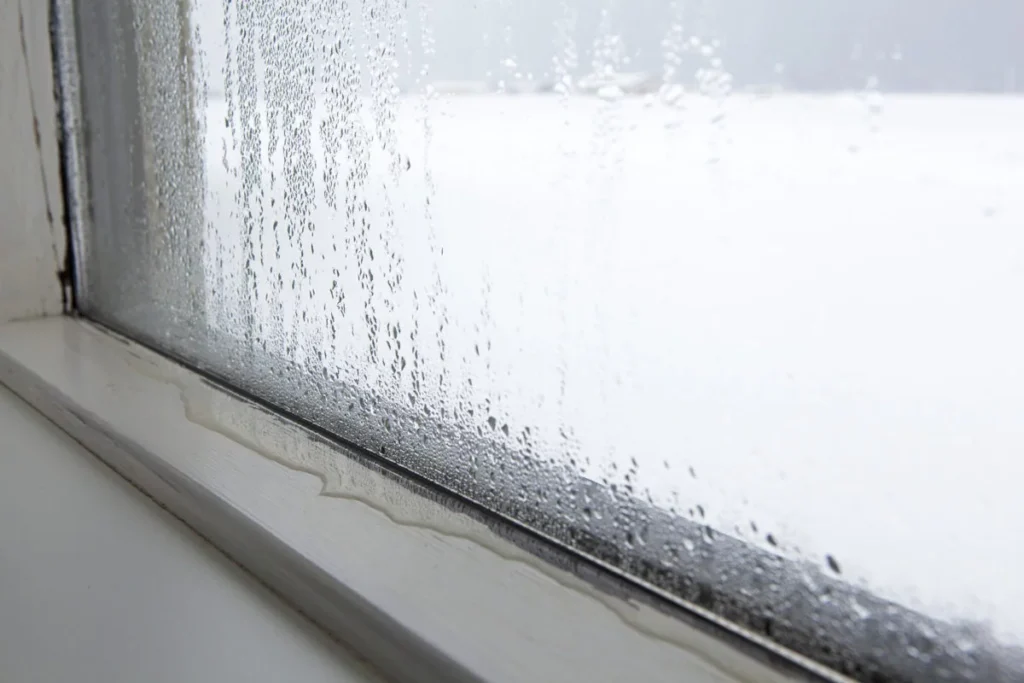
We add a lot of moisture to the air during our daily activities. At night, the temperature drops, and so does the temperature of the window surfaces. Humid room air comes into contact with the window and condenses. In the morning, we can observe condensation on the windows. This condensation comes from daily activities such as showering, wet laundry, and boiling water.
Water vapor on the inside of the window
The first step should be to ensure adequate ventilation in your home. So, let's check that nothing is blocking the ventilation grilles. Another important aspect is daily airing – even on colder days, when we'd rather curl up under a blanket with a cup of warm tea. We must remember that an unventilated home also increases the concentration of organic pollutants and pathogenic bacteria and viruses, while excessive humidity, if maintained for long periods, leads to the growth of mold and mildew. This is an aesthetic issue, but uninvited guests on our walls can also cause allergies or other serious illnesses, such as fungal infections or respiratory diseases. By airing our windows, we not only take care of our windows but also our health and well-being!

To address the problem of ventilation during unfavorable weather conditions, window manufacturers have addressed customer needs by introducing various innovations in window systems. Modern windows are equipped with fittings with a micro-ventilation function, for example. This reduces the pressure between the sash and the frame, simultaneously allowing for air exchange in the room. Two types of air vents are commonly used – humidity-controlled and pressure-controlled.
Water vapor on the outside of the window
With high thermal insulation of glass (i.e., a low heat transfer coefficient Ug), condensation can occur on the outside of the window. This is caused by the low temperature of the outside of the window, which is caused by the small amount of warm air that would otherwise heat the glass. It remains cold, and therefore, moisture accumulates on its surface. This phenomenon is more pronounced in areas with high humidity, such as near bodies of water, forests, and in spring and autumn, when daily temperature variations are very high.
Water vapor inside the glazing unit
The appearance of moisture on the inner surface of the insulating glass unit indicates a more serious problem than the two previous cases. This phenomenon may be caused by a leak in the space between the panes. In such a situation, the only option left is to consult a specialist and most likely replace the glazing unit.
Marcin Gralak
Company owner. I'm responsible for measuring, customer service, and installation.